Analytics Reshape Decision Patterns at Virtual Blackjack Tables
Amir Washington · Jun 7, 2026
Analytics Reshape Decision Patterns at Virtual Blackjack Tables
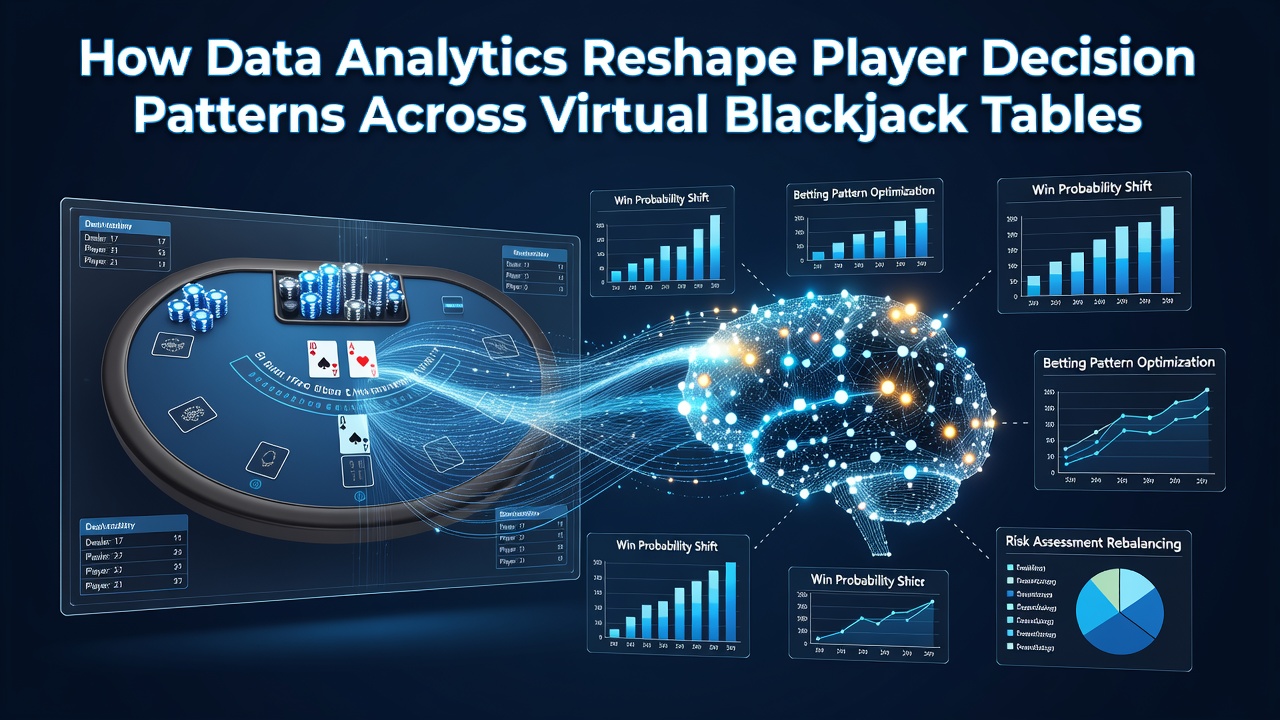
Virtual blackjack environments now integrate data analytics systems that track every wager, timing choice, and outcome across thousands of hands each hour, and these systems feed directly into player interfaces that adjust recommendations based on aggregated patterns. Operators collect data through embedded software that records bet sizes, deviation from basic strategy, session duration, adn response times, while machine learning models process this information to generate individualized prompts during live sessions.
Data Collection Infrastructure
Platforms capture information at the point of interaction through secure APIs that log player actions without interrupting gameplay, adn these logs include variables such as initial bet amounts, insurance decisions, and doubling patterns. Servers store the data in centralized databases that update continuously, allowing algorithms to compare individual behavior against historical benchmarks drawn from millions of hands played across multiple jurisdictions. In June 2026 several major platforms reported upgrades to their tracking modules that now incorporate eye-tracking data from webcam feeds where permitted, adding another layer of behavioral metrics to existing datasets.
Analytical Models at Work
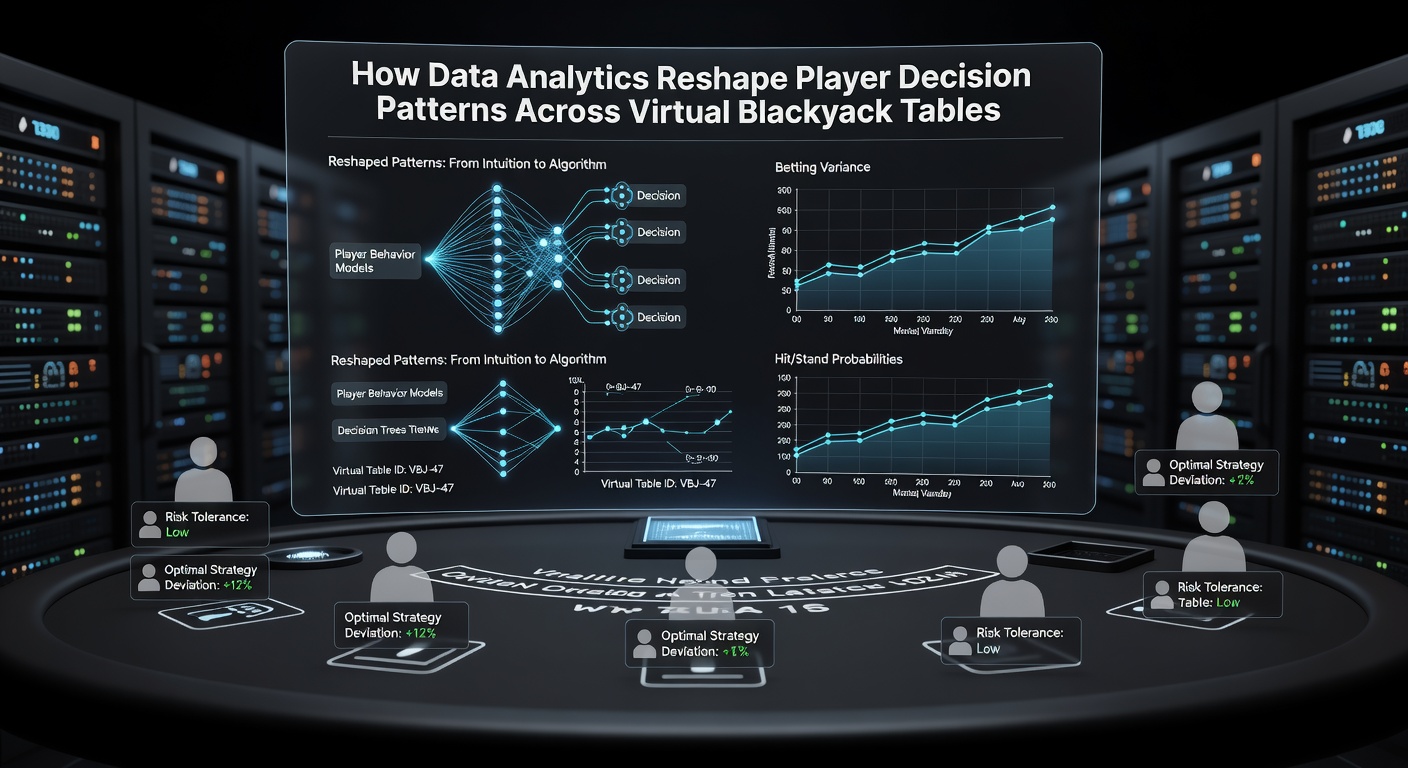
Developers apply clustering algorithms to group players by risk tolerance and decision speed, then overlay regression models that predict future moves with increasing accuracy as session length grows. These models flag deviations such as repeated splitting of tens or excessive insurance bets, and they surface alerts on screen that suggest alternatives grounded in probability calculations. One study released by the University of Nevada Reno examined similar systems and found measurable shifts toward more conservative play among users exposed to the prompts. University of Nevada Reno research documented average reductions in high-variance actions after three consecutive sessions using the tools.
Player Behavior Adjustments
Participants frequently alter hit-or-stand choices when presented with real-time probability bars that update after each card reveal, and data shows these adjustments cluster around mid-session periods when fatigue begins to influence manual decisions. Systems also surface historical performance summaries between rounds, highlighting patterns like over-betting after losses or under-betting during winning streaks. Observers note that players who review these summaries tend to stabilize their wager sizes more quickly than those who skip the review step.
Regulatory and Platform Responses
Agencies such as the Nevada Gaming Control Board require operators to maintain transparent records of how analytics influence game presentation, and audits in early 2026 confirmed that prompts remain advisory rather than mandatory in licensed environments. Platforms respond by offering opt-out toggles that remove the overlays while still collecting the underlying data for internal optimization. Australian research groups tracking similar implementations reported that voluntary engagement with analytics features reached 68 percent of active accounts during the first quarter of 2026, with engagement rates highest among players maintaining sessions longer than forty-five minutes.
Future Integration Trends
Integration with wearable devices that monitor heart rate and skin conductance is under testing at select sites, and preliminary figures indicate these additional signals help refine fatigue detection models that trigger cooling-off suggestions. Cross-platform data sharing agreements, where permitted, allow operators to build more complete profiles that follow users across different virtual table environments. This connectivity supports consistent decision-support features regardless of which software provider hosts the session.
Conclusion
Data analytics continue to embed themselves into the fabric of virtual blackjack play through continuous collection, modeling, and feedback loops that guide choices without replacing player agency. The documented shifts in decision patterns reflect the growing precision of these systems as datasets expand and algorithms mature across global markets.