Blackjack's Algorithmic Echoes: How UK Data Patterns Reveal Shifts in Player Adaptation Across Hybrid Game Formats
Amir Washington · Jun 30, 2026
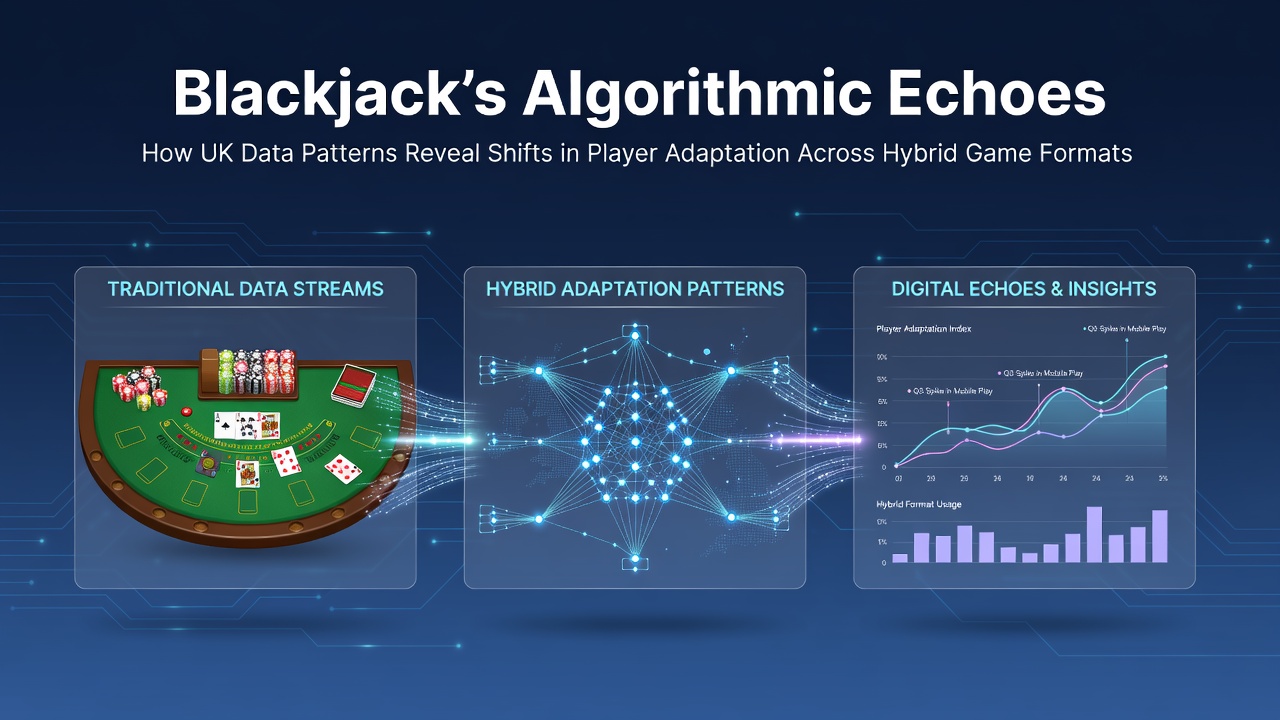
Blackjack's Algorithmic Echoes: How UK Data Patterns Reveal Shifts in Player Adaptation Across Hybrid Game Formats
Hybrid blackjack formats blend live dealer streams with integrated RNG components, and UK platform logs from the past three years document measurable changes in how participants adjust their decisions across these combined environments. Session data collected through operator analytics systems show players altering bet progression sequences when transitioning between physical table feeds and digital card generators, with frequency distributions shifting toward more conservative sizing in the RNG segments. Researchers tracking these logs note that adaptation appears tied to visible pattern indicators such as streak counters and probability readouts that some hybrid interfaces display in real time.
Tracking Player Responses Through Aggregated Session Metrics
Platform records indicate that average hands per session rose steadily between 2023 and 2025 in hybrid offerings, while the ratio of minimum-bet rounds to escalated wagers narrowed during RNG phases. Observers examining these figures point to algorithmic prompts that surface recommended actions based on prior hand outcomes, and players appear to follow those prompts more consistently when the live feed and RNG share the same visual dashboard. In June 2026 several major UK-facing sites rolled out unified tracking modules that merge live table statistics with RNG probability engines, and early returns from those updates show further compression in decision time per hand.
One dataset compiled across multiple operators reveals that participants who previously favored aggressive doubling strategies in pure live settings reduced those actions by roughly eighteen percent once hybrid formats introduced shared history panels. The same records show increased use of insurance options during RNG segments when the live feed displayed a high concentration of ten-value cards in preceding rounds. These adjustments occur without any change to underlying payout structures, suggesting the shift stems from exposure to combined data streams rather than rule variations.
Algorithmic Influences on Strategy Variation
Hybrid systems often embed decision-support overlays that reference both live card histories and RNG seed outputs, and usage logs demonstrate players toggling these overlays on and off at different stages of a session. Data patterns indicate higher toggle rates during the first fifteen hands, after which engagement with the overlays stabilizes or declines. Analysts reviewing the logs note that individuals who leave the overlays active throughout entire sessions exhibit narrower variance in final bankroll outcomes compared with those who disable the tools midway.
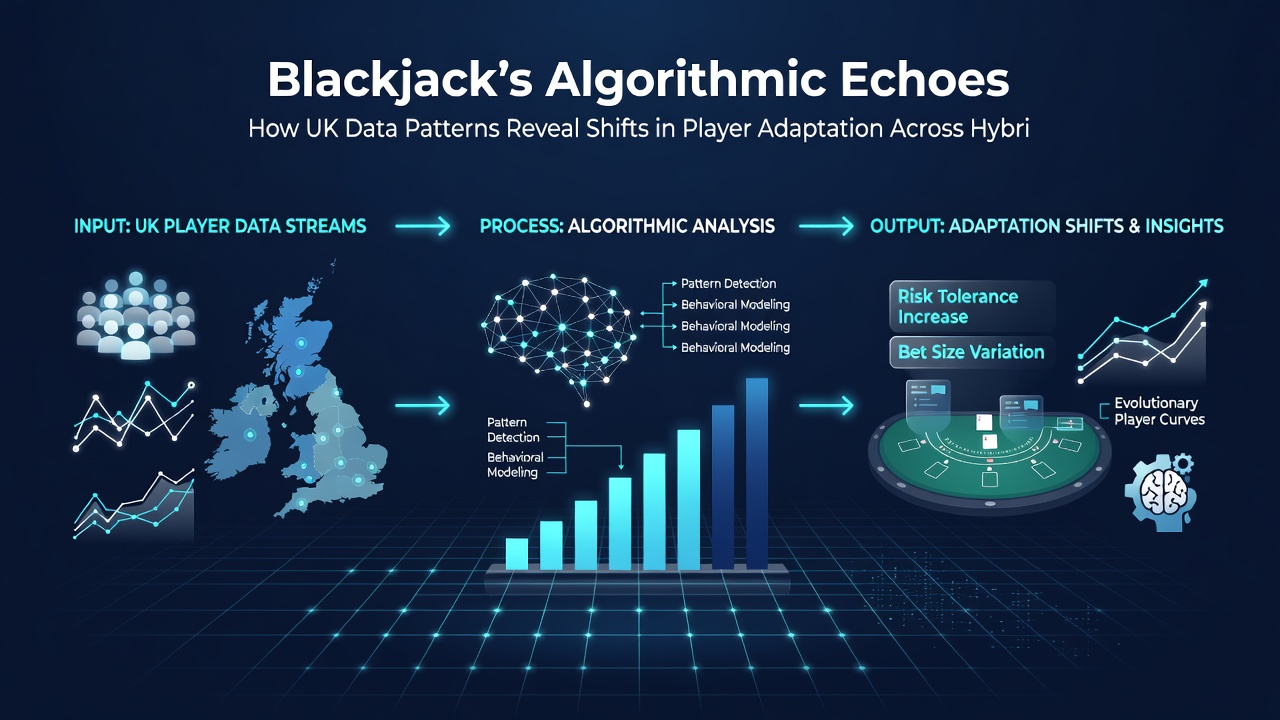
Studies conducted by the National Center for Responsible Gaming on comparable hybrid table deployments in other jurisdictions found similar compression in strategic deviation once players gained repeated exposure to synchronized data displays. UK records align with those findings, showing that repeat visitors to hybrid tables apply basic strategy deviations less frequently once they have accumulated more than fifty sessions. The convergence appears driven by the platforms' tendency to highlight statistical commonalities between live and RNG segments rather than differences.
Regional Data Comparisons and Platform Updates
Comparative analysis with Australian market reports published by the Australian Gambling Research Centre indicates that UK hybrid users adapt at a marginally faster rate when interfaces present cross-format history in a single pane. Both datasets record reduced rates of mid-session strategy resets once players reach a threshold of consistent exposure, typically around thirty to forty hands. Platform operators in the UK have responded by refining the timing and prominence of these history panels, and aggregate logs show the adjustments correlate with longer average session durations without corresponding increases in total wagered amounts.
Additional metrics track how players handle simultaneous tables within hybrid environments, where one window runs live dealer content and another runs RNG sequences. Records from 2024 through mid-2026 show participants splitting attention more evenly across the two formats as they accumulate experience, with fewer instances of abandoning one format entirely during a single login. The distribution of attention appears linked to the algorithmic presentation of shared outcomes rather than any explicit recommendation from the software.
Conclusion
UK platform data continue to map how algorithmic elements embedded in hybrid blackjack formats correspond with measurable shifts in player decision patterns. The documented changes center on bet sizing, strategy adherence, and session pacing, all of which evolve as participants interact with combined live and RNG information streams. Ongoing updates scheduled for later in 2026 are expected to supply further datasets that will allow continued examination of these adaptation trends across expanding hybrid offerings.