Bonus Structures Meeting Table Limits in British Blackjack Environments
Amir Washington · Aug 2, 2026
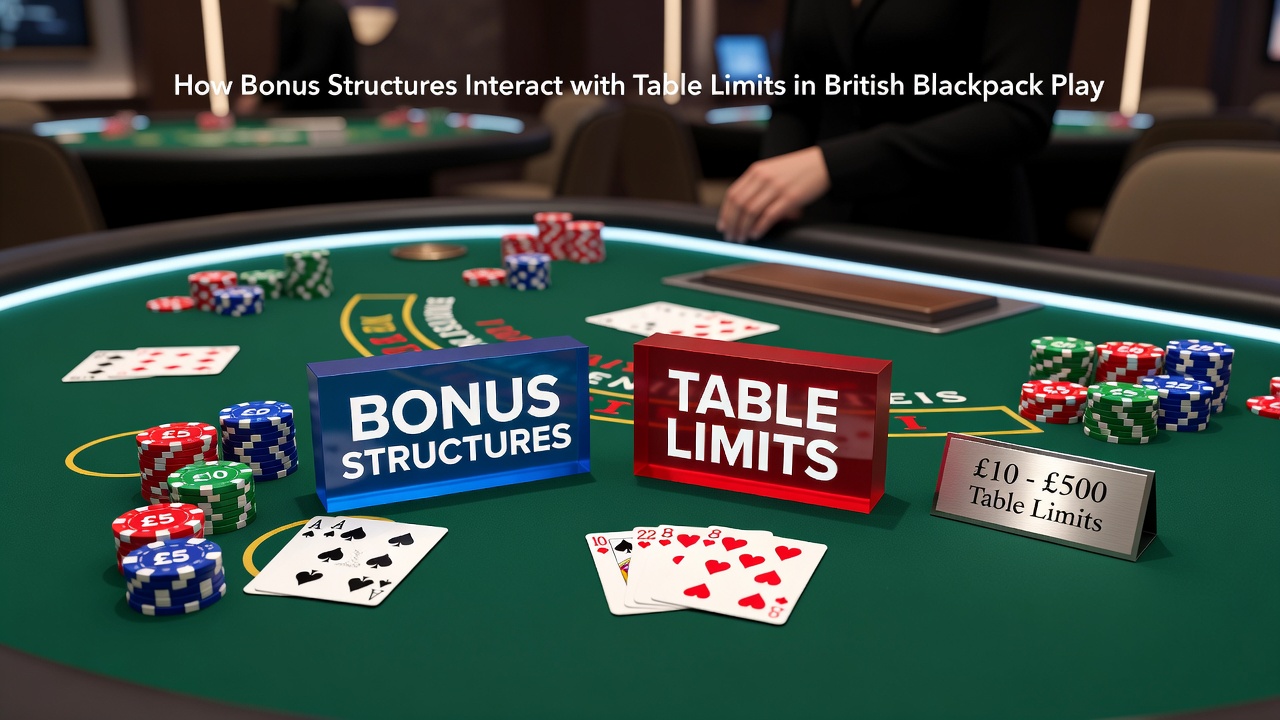
Bonus Structures Meeting Table Limits in British Blackjack Environments
Bonus offers in British blackjack typically include welcome packages, cashback deals, and loyalty rewards that carry specific wagering requirements, while table limits establish the minimum and maximum amounts players can stake per hand, and these two elements often shape session planning in measurable ways. Observers note that operators design bonuses to encourage extended play yet impose table caps that directly influence how quickly those requirements can be fulfilled, since each hand contributes to the total wagered amount only within the posted boundaries.
Core Components of Bonus Offers
Most promotional structures specify a multiplier such as 30x or 40x the bonus value that must be met through real-money bets before withdrawals become available, and research from academic sources indicates these thresholds frequently align with game rules that restrict maximum stakes. Data shows that in environments where blackjack tables cap bets at £500 per hand, players completing a £100 bonus face a requirement of £3,000 to £4,000 in total wagers, meaning the number of hands required scales directly with the upper limit in place at any given table.
Table Limit Mechanics Across UK Sites
British operators set table limits to manage risk exposure and comply with internal policies, with minimums often starting at £1 or £5 and maximums ranging from £100 at lower-stakes tables to several thousand pounds at premium live dealer setups, while August 2026 industry figures reveal an increase in mid-tier tables offering £250 maximums to accommodate bonus-driven traffic without breaching volatility controls. Those who study these patterns find that limits also serve as a practical boundary when bonuses include playthrough conditions tied to blackjack specifically, because side bets or progressive features may carry separate caps that further segment how wagers count toward completion.
Direct Interactions During Play
When a bonus activates, the effective betting range narrows because players must remain within both the table's posted limits and any bonus-specific rules that exclude certain bet types from counting fully toward requirements, and this creates a situation where high-limit tables allow faster progress on wagering targets while low-limit tables extend the duration needed to clear the same amount. One study revealed that sessions on tables with £1,000 maximums cleared average 30x requirements in roughly 60 percent fewer hands than those restricted to £100 maximums, assuming consistent basic strategy application and standard blackjack payout ratios.
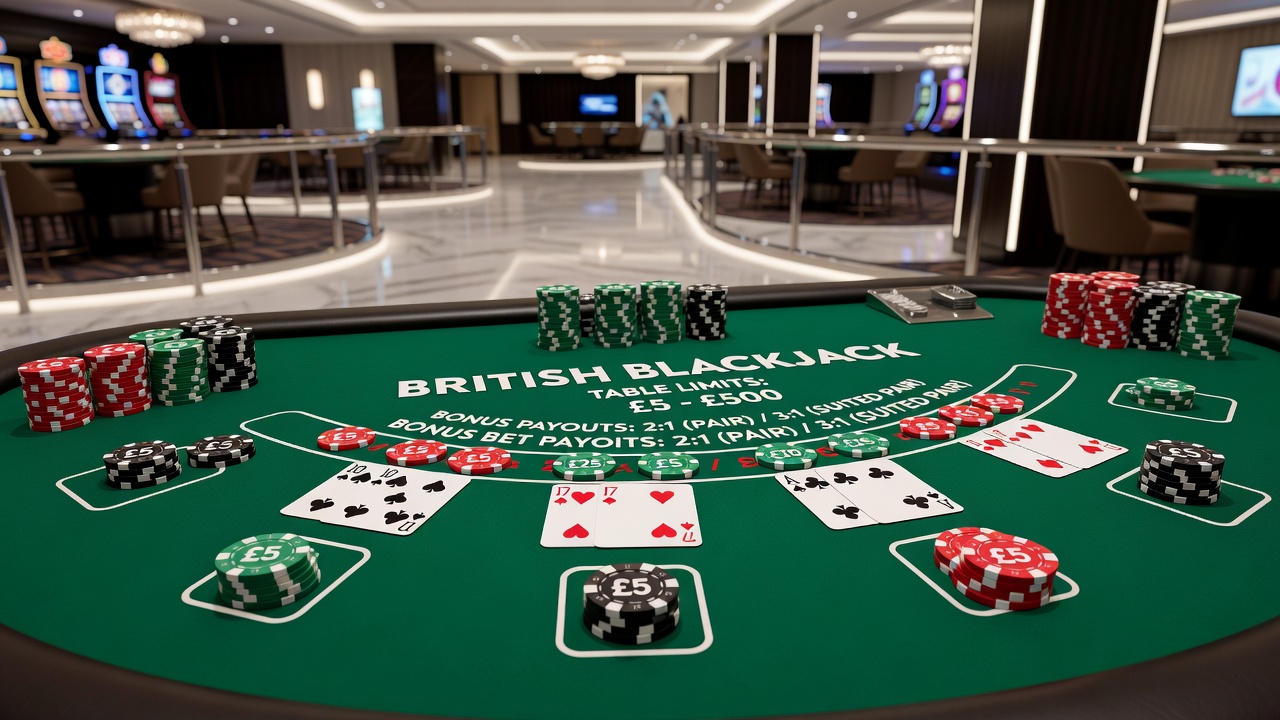
Yet the reality is that many platforms automatically adjust available tables once a bonus is claimed, removing high-limit options until the requirement finishes, which forces participants onto lower-stakes games where each hand contributes less to the total and extends overall playtime. Experts have observed that this adjustment prevents rapid clearing on high-stakes tables while still allowing steady accumulation within the permitted range, and the approach appears in both RNG and live dealer formats across multiple operators.
Strategic Adjustments Observed in Practice
Players often select tables that balance their bankroll size against the remaining wagering target, choosing limits high enough to accelerate progress yet low enough to avoid breaching personal risk thresholds, and industry reports from the Australian Gambling Research Centre highlight similar patterns where bonus users gravitate toward mid-range tables to optimize completion speed without excessive variance. Data indicates that when table maximums sit below the optimal bet size suggested by bankroll management formulas, completion timelines stretch proportionally, prompting some participants to spread wagers across multiple simultaneous tables where rules permit.
Take one documented case where experts tracked bonus usage on platforms offering both £50 and £500 maximum blackjack tables, and figures reveal that users on the higher-limit option completed requirements in an average of 180 hands compared with 520 hands on the restricted tables, assuming identical bonus values and standard deck penetration levels. Those who've examined these outcomes note that operators sometimes introduce temporary table adjustments during promotional periods to maintain consistent player distribution.
Regulatory and Platform Variations
Different licensing jurisdictions impose distinct guidelines on how bonuses and limits may interact, with some requiring clear disclosure of any table restrictions tied to promotional offers while others focus on ensuring wagering contributions remain transparent across game types. A Canadian research paper on digital gambling mechanics found that clear limit disclosures correlated with lower dispute rates around bonus fulfillment, and similar transparency measures appear in several European markets outside the UK framework. Observers note that platforms update their terms regularly to reflect changes in table offerings, particularly when new live dealer configurations launch with altered maximum stakes.
Conclusion
The relationship between bonus structures and table limits in British blackjack centers on how wagering multipliers meet practical bet ceilings, shaping both the pace of requirement completion and the tables available during promotional periods. Research indicates these mechanics remain consistent across operators even as specific numbers shift with market conditions, and data from August 2026 continues to show the same core patterns of adjustment and selection. Those who track these interactions find that understanding the numerical relationship between a bonus multiplier and a table's maximum stake provides a factual basis for anticipating session length and contribution rates.