Charting Safeguards: Data Analytics and Responsible Play in British Blackjack
Harper Neumann · Aug 25, 2026
Charting Safeguards: Data Analytics and Responsible Play in British Blackjack
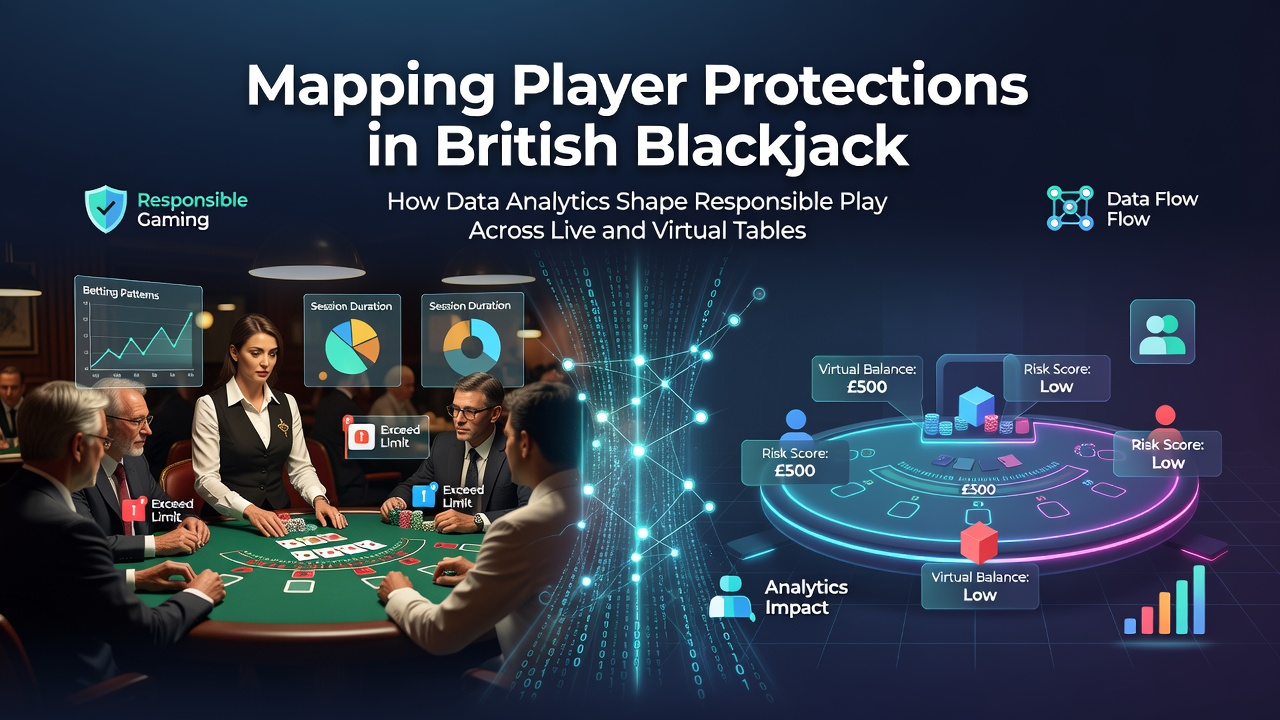
Operators across Britain have integrated data analytics into blackjack operations at both live and virtual tables to monitor player behavior and enforce protection measures, with systems tracking session length, bet patterns, and account activity in real time. These tools pull from transaction logs and gameplay records to flag potential issues before they escalate, and the approach has expanded since regulatory updates took effect in 2025.
Live Table Monitoring Through Pattern Recognition
Dealers and floor staff at physical venues work alongside software that records every hand dealt, every wager placed, and every decision made by players, allowing analysts to map sessions against established risk indicators such as rapid bet increases or prolonged play without breaks. When algorithms detect sequences that match historical profiles of extended sessions, automated alerts prompt staff to offer time-out options or check-in conversations. Research from the Victorian Commission for Gambling and Liquor Regulation shows these interventions occur most often during peak evening hours when table traffic is highest, and the data sets grow larger each month as more casinos connect their systems to shared analytics platforms.
Virtual Environments and Algorithmic Triggers
Online platforms apply similar logic through server-side scripts that process RNG outputs alongside player inputs, creating profiles that update continuously during each round of blackjack. Deposit velocity, withdrawal frequency, and login patterns feed into models that calculate a running risk score, and when thresholds are crossed the system can pause further bets or redirect the account to self-assessment tools. One study released by the Canadian Centre on Substance Use and Addiction in early 2026 tracked thousands of virtual sessions and found that accounts triggering early alerts showed reduced average session duration by measurable margins compared with unmonitored controls. These virtual safeguards operate without human oversight yet still align with the same data fields used at live tables, creating a unified map of protection across both formats.
Cross-Platform Data Integration and August 2026 Updates
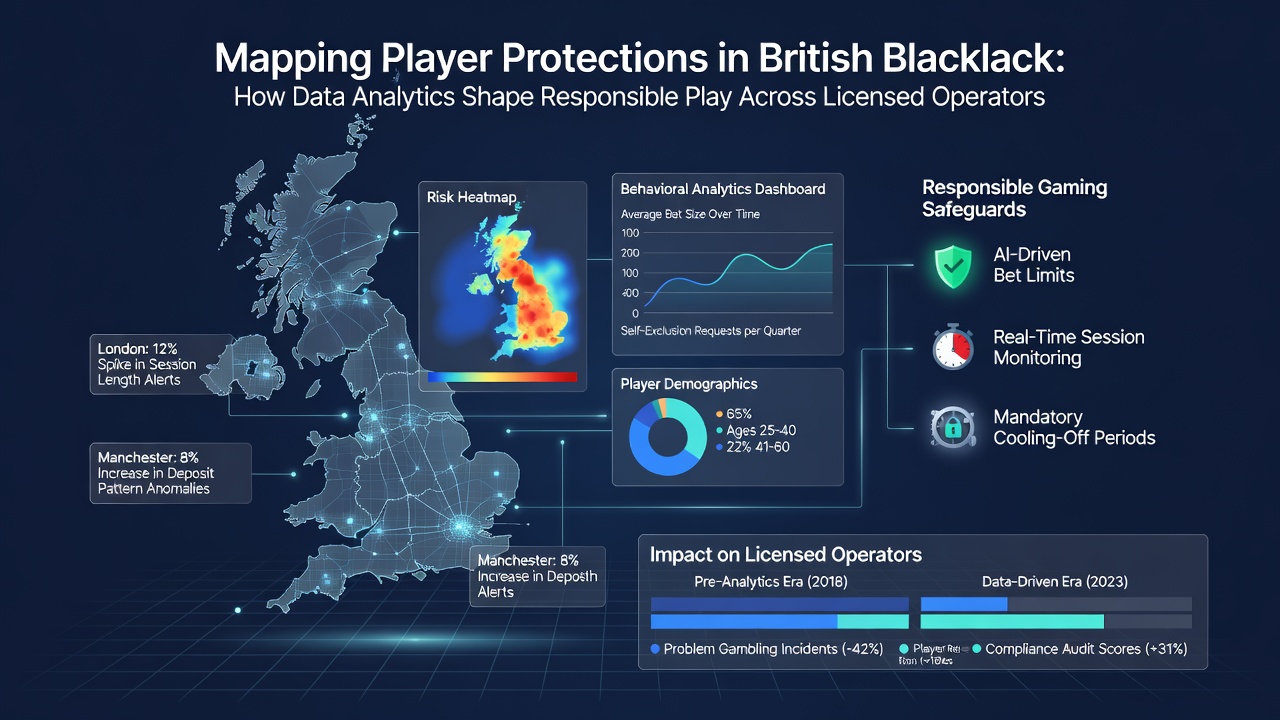
By August 2026 several major operators had completed the rollout of unified dashboards that merge live and virtual data streams into single player timelines, enabling quicker identification of patterns that span both environments. The merged datasets include card-counting indicators from physical tables alongside automated bet-sizing logs from RNG games, and the combined view helps staff distinguish between strategic play and potential harm signals. Industry reports indicate that this integration reduced duplicate alerts by roughly one third in the first quarter after launch, freeing resources for more targeted follow-up actions.
External researchers continue to test new variables such as device type and time-of-day clustering to refine the accuracy of these models, while maintaining separation between operational data and any personally identifiable information. The result is a growing library of anonymized session maps that operators consult when updating house rules or training materials for responsible play staff.
Outcome Tracking and Continuous Adjustment
Protection programs now include scheduled reviews where analysts compare pre- and post-intervention statistics across thousands of accounts, measuring metrics like average bet size after an alert and frequency of voluntary breaks. These reviews feed back into the algorithms, adjusting sensitivity settings so that future flags align more closely with observed outcomes. Observers note that the loop between data collection, intervention, and recalibration has become standard practice at sites operating both live dealer and virtual blackjack offerings, producing incremental improvements in how quickly at-risk behavior receives attention.
Conclusion
teh mapping of player protections through data analytics continues to link live and virtual blackjack environments under consistent monitoring frameworks, with each new dataset adding detail to the overall picture of session behavior and intervention timing. As operators refine their models and incorporate findings from external studies, the systems evolve to handle increasing volumes of play while maintaining the same core objective of identifying and addressing risk indicators across all table formats.