Regulatory Ripples: How UK Licensing Rules Reshape Blackjack Bonus Structures and Player Bankroll Decisions
Viktor Peters · May 17, 2026
Regulatory Ripples: How UK Licensing Rules Reshape Blackjack Bonus Structures and Player Bankroll Decisions
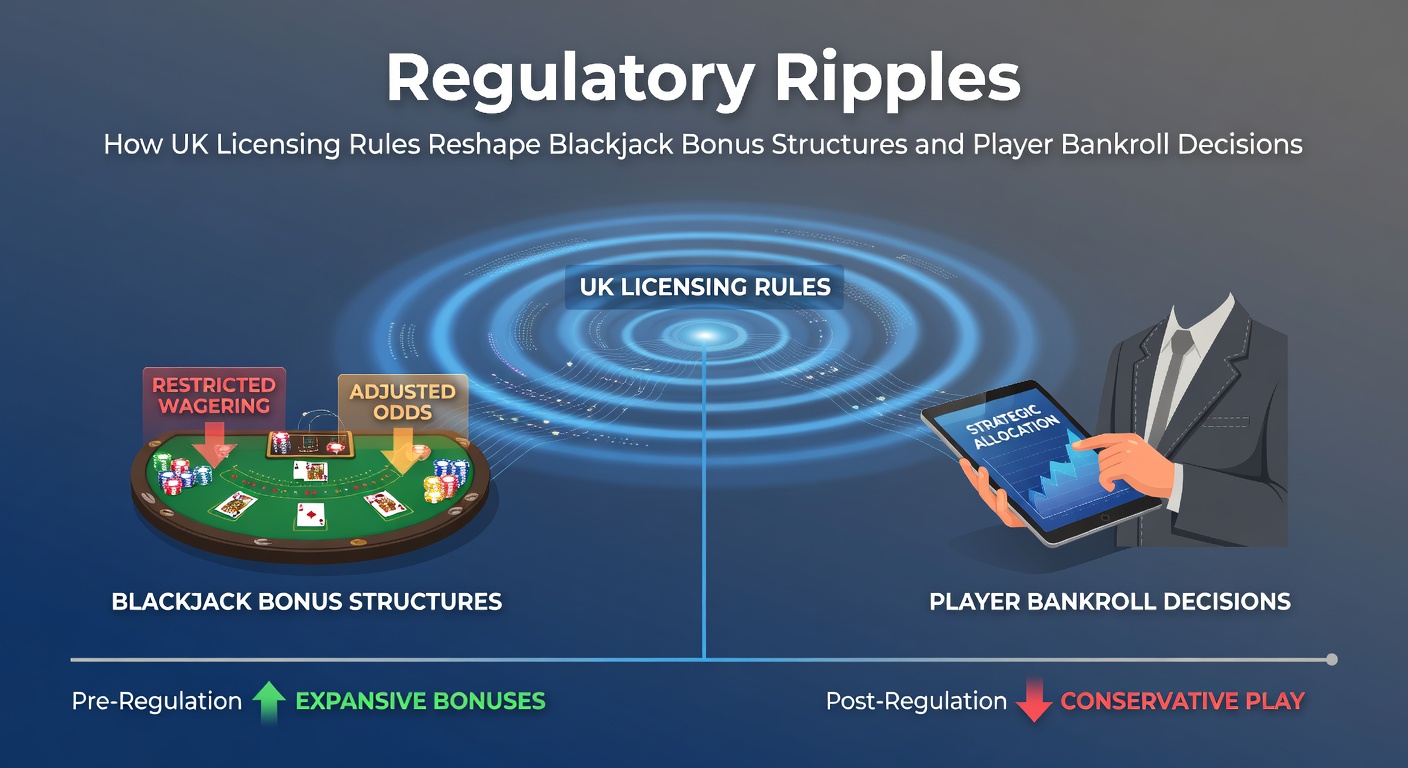
UK licensing rules continue to influence how operators structure blackjack bonuses, forcing adjustments that directly affect player bankroll strategies across online platforms. These regulations emphasize transparency in promotional offers, which means wagering requirements now appear in clearer formats while bonus values often face stricter caps. Operators respond by redesigning welcome packages and reload incentives to stay compliant, and this shift leaves players recalibrating how much they allocate to initial deposits versus ongoing play sessions.
Shifts in Bonus Structures Under Current Licensing Standards
Recent licensing updates require operators to disclose exact terms for blackjack-specific promotions, including how contributions from table games count toward clearing requirements. Data shows many sites now limit blackjack bonuses to 50 percent of deposit amounts or less, whereas previously higher percentages appeared more frequently. Players encounter fewer no-deposit offers as well, since licensing bodies demand verification processes that add friction to instant rewards. Industry reports indicate these changes reduce the average bonus size by noticeable margins, which in turn prompts players to stretch smaller bankrolls across longer periods rather than chasing quick clears.
Operators have adapted by introducing cashback structures that tie directly to loss thresholds instead of flat bonus credits, creating a different dynamic for bankroll management. Those who study player behavior note increased use of session timers and deposit limits as tools to maintain control when bonuses come with extended playthroughs. What's interesting is how these adjustments align with broader responsible gaming measures that took effect ahead of the May 2026 compliance deadlines, where platforms must demonstrate ongoing monitoring of bonus usage patterns.
Impact on Player Bankroll Allocation Decisions
Bankroll decisions evolve when bonuses carry higher effective costs due to licensing-driven wagering multipliers. Research from academic sources on gambling economics reveals players now favor smaller, more frequent deposits to avoid locking funds into prolonged clearance periods. This approach allows greater flexibility, especially at tables where rule variations already influence expected returns. Observers note a rise in the use of separate bankroll buckets, one for bonus play and another for standard wagers, as a common tactic among regular participants.
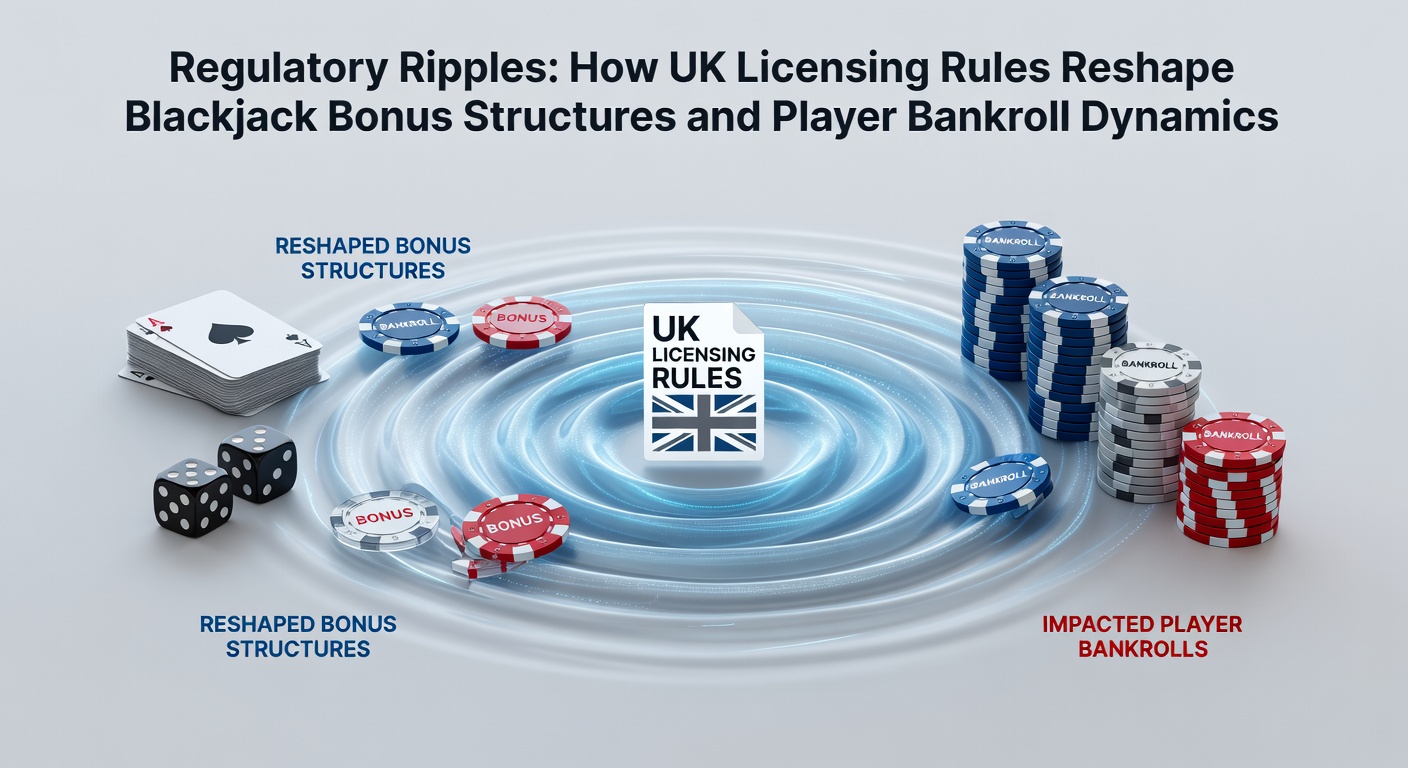
Take the case of one study that tracked deposit patterns before and after licensing tightenings, where average session lengths shortened while total monthly spend remained stable through more deliberate pacing. Players often discover that matching bonuses now require careful calculation of house edge exposure, since extended requirements increase variance exposure on any given bankroll. External data from the International Gaming Institute highlights similar patterns in regulated markets where bonus caps correlate with steadier but smaller per-session allocations.
Broader Effects Across Licensed Operators and Player Behavior
Licensing frameworks encourage operators to standardize bonus terms across jurisdictions, which reduces regional variations that once allowed more aggressive promotions. This standardization pushes players toward comparing platforms based on net value after requirements rather than headline bonus figures. Figures from industry analyses reveal a measurable uptick in loyalty program participation, as operators substitute bonus credits with points systems that offer steadier rewards without strict wagering hurdles. Those who've tracked these trends observe that bankroll planning now incorporates expected value calculations that factor in both bonus contributions and withdrawal thresholds.
But here's the thing: players who once relied on stacked promotions find themselves prioritizing table selection and rule sets that maximize base returns, since bonus value has diminished. Data indicates higher engagement with cash games over tournament formats when bonuses tie to volume requirements, because steady play supports consistent bankroll growth without the pressure of time-limited clearances. As May 2026 approaches, further refinements to licensing criteria may accelerate these behavioral shifts by mandating even clearer disclosures on bonus expiry and contribution rates.
Conclusion
UK licensing rules continue to drive measurable changes in blackjack bonus design and the resulting bankroll strategies players employ. Operators meet compliance demands through revised promotional structures while players adapt with segmented funds and paced deposit habits. These dynamics create a more measured environment where decisions rest on disclosed terms and calculated exposure rather than headline incentives alone. Ongoing monitoring through May 2026 and beyond will likely reveal additional adjustments as both sides respond to the regulatory landscape.